Does the highest star know
Its descendants are squabbling
Over,
Whether or not to name it
logic or beauty?
The Arts Assemble is a student/staff-led exhibition hosted at the University of Warwick aimed at celebrating the creativity and talent of a diverse cohorts’ voice. It intends to highlight and recognise the value of Arts and Humanities students’ (such as myself) work beyond the classroom. The exhibition will run from the 11th to the 18th of June in the Faculty of Arts building.
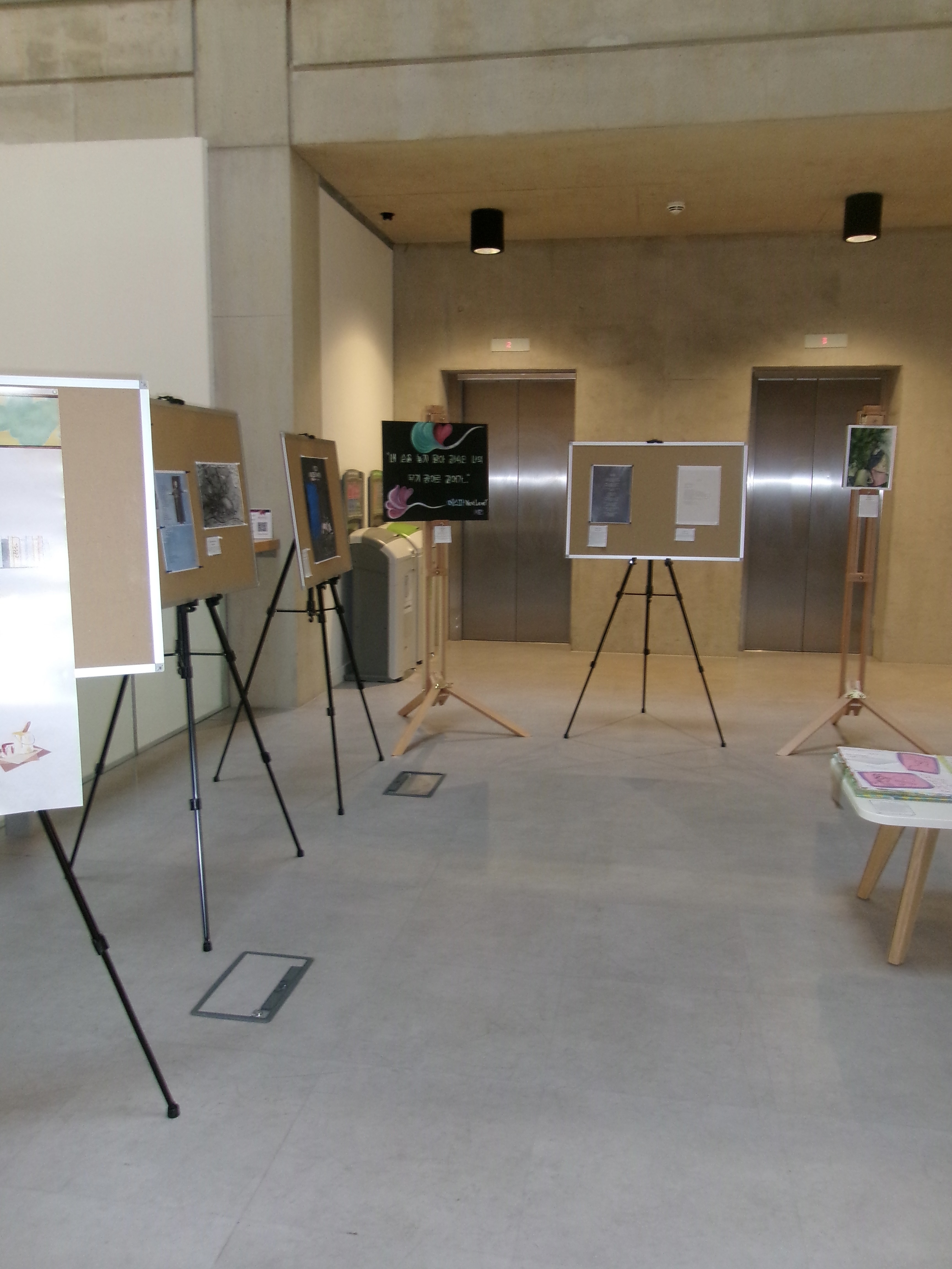
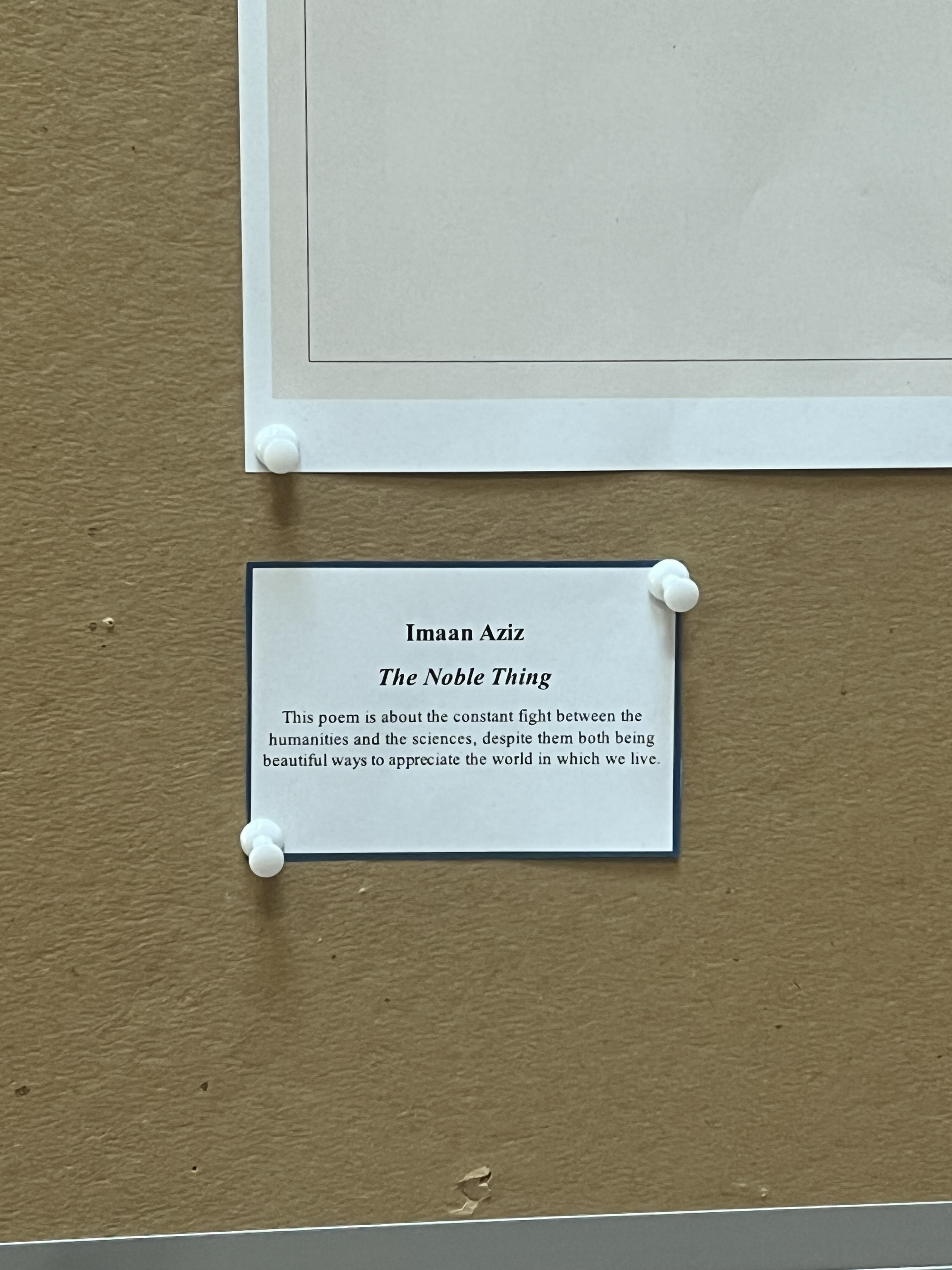
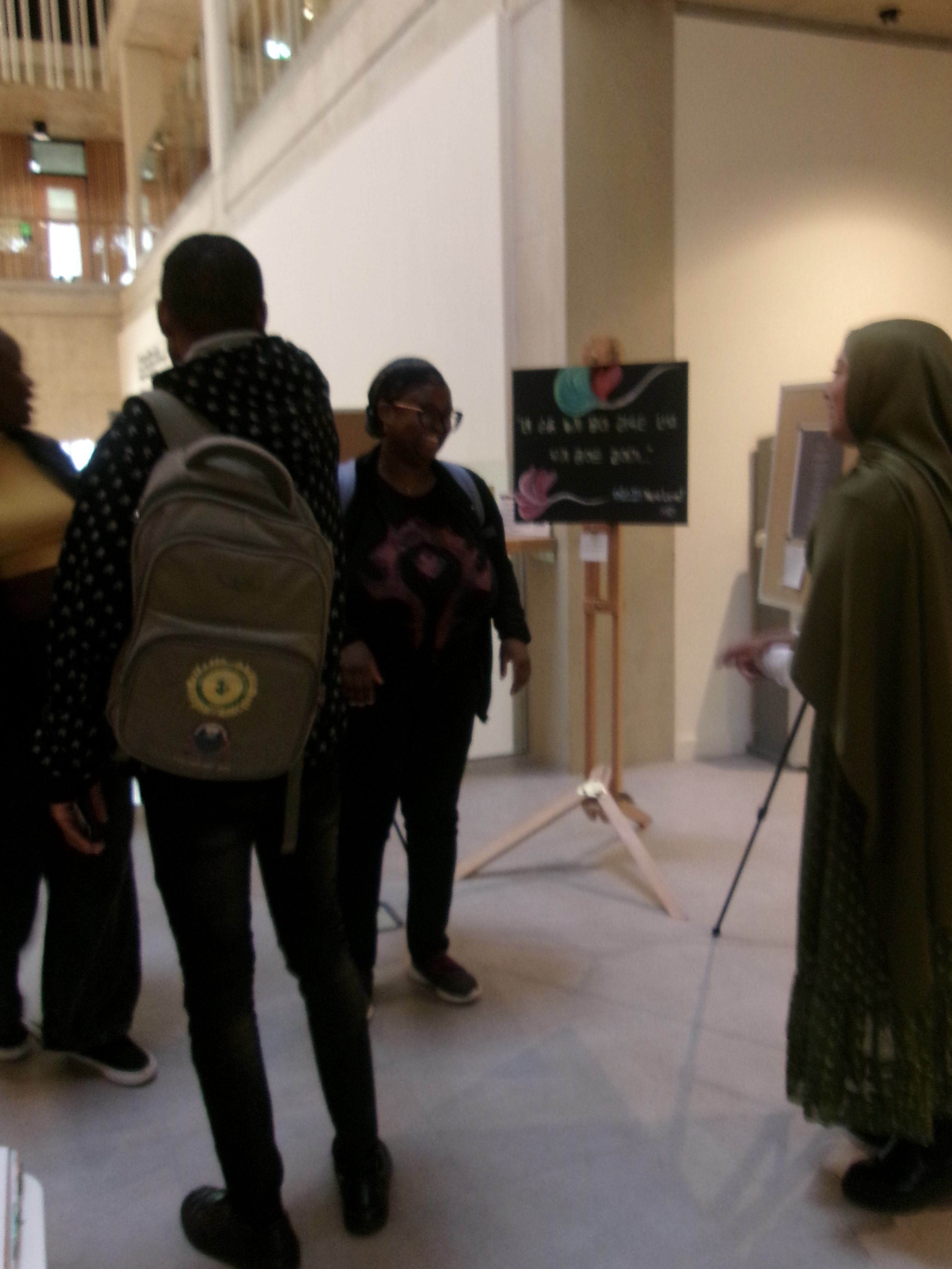
This year, I had the opportunity to submit one of my most recent poems: ‘The Noble Thing’ which is now on display in the exhibition.
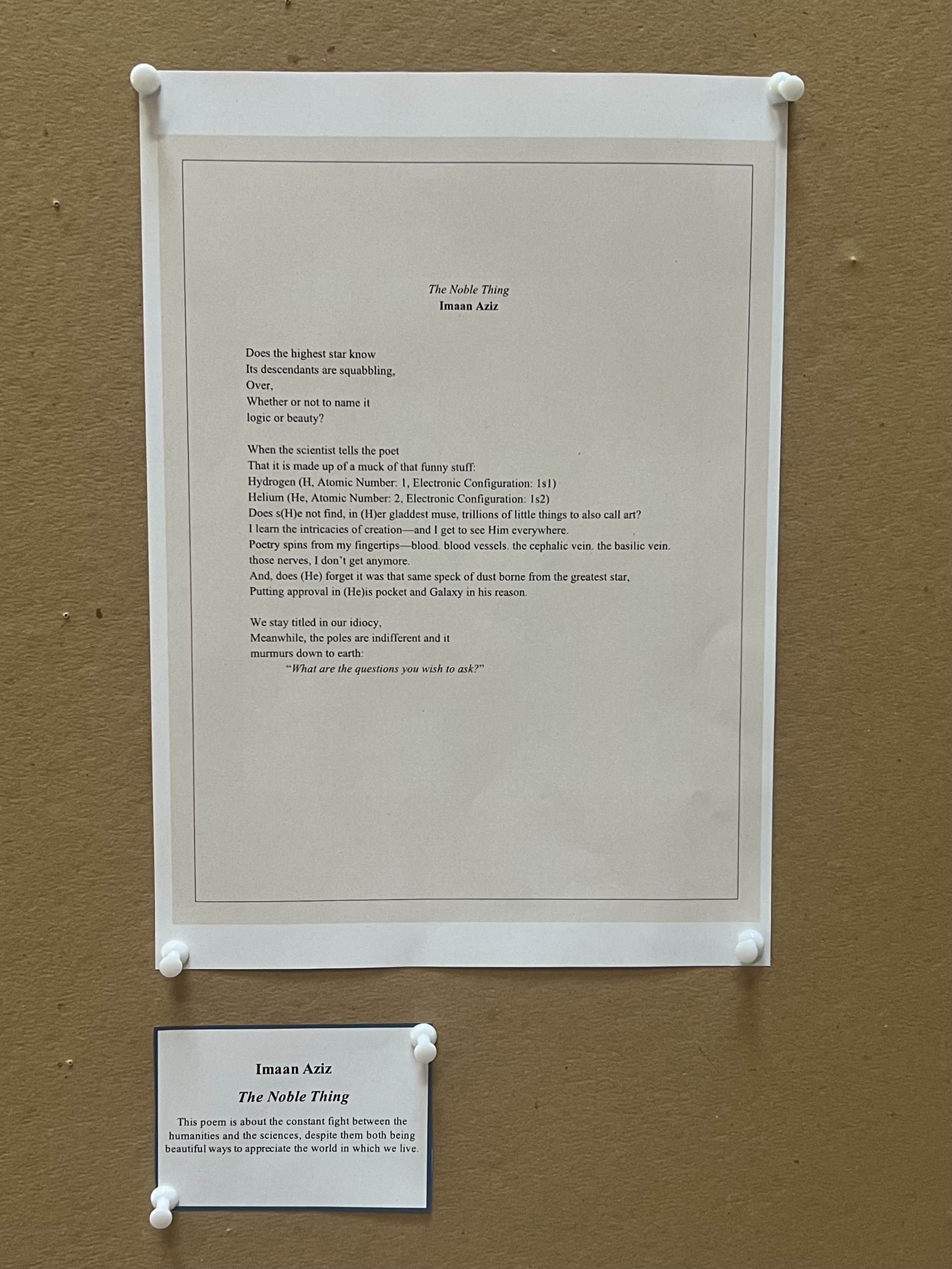
Due to this year’s theme surrounding a celebration of humanities, I wanted to touch upon the never-ending debate concerning which is more important: the sciences or the arts. Inevitably poking fun at those who persist in this debate, despite both intellectual spheres being admirable and necessary ways in which to examine and appreciate the world in which we live. Writers are engineers, sculptors are mechanics, painters are experimenters. The label “STEM” and “Humanities” are designed to limit us when some of the greatest minds were dabbling in both:
Chaucer was an amateur astronomer; Milton broke bread with Galileo; and before turning to the arts, Keats was a doctor. Meanwhile, scientific luminaries like Ada Lovelace and James Clerk Maxwell moonlighted as poets, composing verse between experiments and equations.
Joseph Conlon, Origins.
Although, I myself possess very little scientific or mathematical knowledge that extends beyond what I learnt at school, I refuse to shun such an essential field of knowledge all together merely because my interests lie in the arts. Everything is rooted in mathematical principle. The root of the word ‘science’ derives from the Latin scienta, from scire meaning to ‘know’. The more I learn the more informed my writing will be.

 memoirs of a poet
Leave a comment